Cutting and Forcing Betty Magnolia Blooms for Indoors
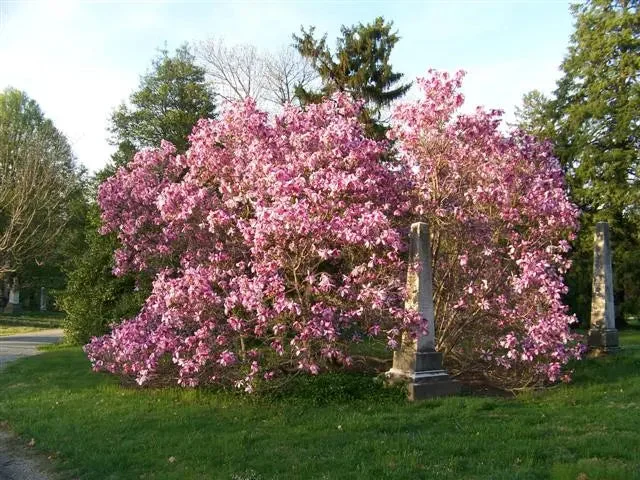
Picture your yard on a thawing morning in late winter. The branches are bare and ticking in the wind, the ground is soft and gray, and a few small flies drift along the sunny side of the house, looking for any flower at all. Your Betty Magnolia is still shut tight, but its fat, furry buds are already waiting at the tips of the twigs.
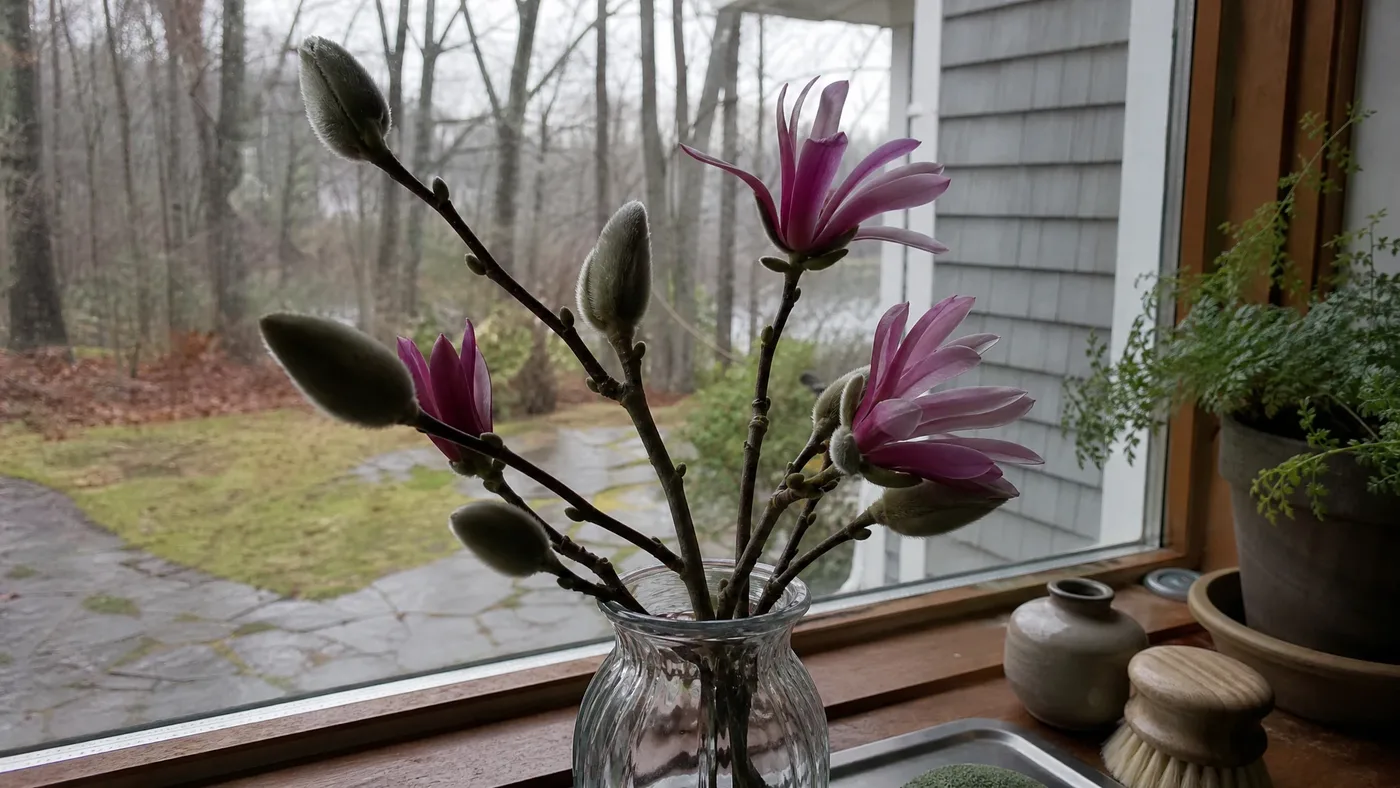
You can bring a little of that scene indoors. Cut well, a few stems will open in a vase weeks before the tree does. Cut badly, and they sit in water until the buds dry and drop.
This article talks about choosing, cutting, conditioning and forcing Betty Magnolia stems, and answers the questions customers ask us most. Read on to learn which buds are worth cutting, how to get water into thick woody stems, and what to expect as the petals open.
Choosing Betty Magnolia Branches Before the Buds Swell
Forcing starts on the tree, not at the kitchen counter. Spend a few minutes looking before you cut anything, because a stem with the wrong kind of bud will never flower.
Tell Flower Buds From Leaf Buds
Extension advice is to choose round, plump buds, since narrow, pointed buds are usually leaf buds. On Betty, the flower buds sit at the ends of the twigs, wrapped in soft, furry scales. They look like small, silky thumbs. Leaf buds are slimmer and sit along the sides of the stem. A stem carrying only leaf buds will give you a green twig and no bloom.
Before you cut a whole branch, sacrifice one bud on a spare twig and slice it open. A healthy flower bud is green and moist inside. A brown center means frost got to it, and that part of the tree will not flower this year.
Read the Spacing Along the Branch
Look for a stem with several plump buds at different heights rather than one big bud at the tip. Buds spread along a stem open in a staggered sequence, so the vase stays interesting for longer. A single bud gives you one flower and then a bare stick.
In our rows, the fattest buds are almost always on the sunniest side of the plant. Start your search there, and leave thin, pencil-sized twigs alone. They are young growth and rarely carry flower buds.
Cutting Betty Magnolia Stems Without Hurting the Tree
Where, when and with what you cut decides how fast the tree recovers. Betty is a compact plant, so every stem you remove is a visible share of it.
Pick the Day and the Month
Magnolias are the hard cases of forcing. Iowa State extension says to wait until March for magnolias, because earlier cuts often refuse to open. The University of Minnesota gives mid-April as Betty's outdoor bloom time, so a March cut is a head start of a few weeks, not months.
Cut on a day when the temperature is above 32°F. Stems cut while frozen are brittle and take up water poorly.
Make a Clean Cut With Sharp Tools
Use sharp hand pruners and make a clean, slanting cut. Extension advice is to take stems 1 to 2 feet from the branch tips. Cut just above a side branch or a bud so you leave no stub, since stubs die back and invite rot. Wipe the blades with rubbing alcohol first if you have been working on other plants.
Know What a Young Tree Can Spare
The University of Minnesota lists Betty at 10 to 15 feet high and 8 to 12 feet wide. That is small enough that three or four long stems from one side noticeably thin it. Take a handful of stems at most, spread them around the whole plant, and never cut the central leader.
On a tree in its first years, skip cutting altogether. Let it build branches first, and read our guide on how and when to prune Betty Magnolia to see how cuts fit into the tree's shape.
Conditioning Stems for a Long Drink
Magnolia stems are thick and woody, and they seal their cut ends quickly. This stage gets water into the stem before the buds start asking for it.
Recut and Open the Ends
As soon as you are indoors, make a fresh slanting cut across the base of each stem, preferably with the end under water. Then make a short vertical split up the center of the cut end to widen the area that can drink.
We do not follow the old advice to hammer the stem ends flat. Crushing tears the tissue and gives microbes a mushy surface to colonize. A clean slice plus a short split does the job without the damage.
Soak, Then Rest Cool
Fill a tall container with plain water so that it supports the stems and covers the lower third of each one. If your branches are long, lay them in a bathtub of water for several hours or overnight first. Then move them to a cool, dim room, since extension sources recommend 60 to 65°F for the holding period.
Change the water daily, as the extension advice says, and scrub the container when you do. Slimy water is the usual reason a stem stops drinking.
Conditioning Checklist
Run through these points before you set the stems aside to wait.
- Every stem has a fresh, clean cut and a short vertical split at the base.
- The container is tall enough to keep the branches upright without tipping.
- Any scale or twig below the waterline is removed so nothing rots in the water.
- The stems sit away from fruit bowls, heaters and bright windows.
Coaxing Dormant Betty Magnolia Branches Awake
Buds wake when conditions imitate the first mild days of spring, not a heat wave. Your job here is to turn up the warmth and humidity gently.
Start Cool and Dim
Keep the stems in the dim, cool spot at 60 to 65°F for the first stage. A garage with a window, an enclosed porch or a spare room with the heat turned down works well. The scales around the buds need a slow signal, and a warm kitchen on day one tells them nothing useful.
One of the most common questions we get is why a branch sat for weeks and never opened. The usual cause is cutting too early, or keeping it in a room too warm and dry for the buds to relax.
Add Light and Humidity as the Scales Loosen
When the buds swell and the furry scales begin to split, move the vase to a brighter spot with indirect light. Keep it away from radiators, vents and direct sun. Mist the buds lightly once a day, or slip a loose plastic bag over the branches overnight to hold moisture around them.
Remove the bag by morning. Trapped moisture without airflow invites mold on the scales.
Count Back From the Date You Want Flowers
Extension sources say magnolia branches may take three to five weeks. For flowers in early April, you would cut in early March. Do not keep moving the vase around, since each change resets the rhythm. Put it in position, change the water, and be patient.
Watching Petals Unfold Indoors
When the buds are ready, the show is slow and rewarding. Here is what you will see, and how to keep it going.
From Fuzzy Bud to Open Goblet
The furry outer scale splits first and often falls off. A strip of purplish pink shows through the gap, and over a few days the tepals loosen and rise into a cup. The University of Illinois describes large purplish pink flowers with 12 to 18 tepals, and that count is why the flower looks full even before it opens fully.
Betty's tepals are compact and hold a goblet shape. In our experience that makes them tougher in a vase than the huge, bruise-prone blooms of saucer magnolia, which our guide to Betty versus saucer and tulip magnolias compares in more detail.
Color and Scent Indoors
Forced flowers often come out a little softer in color than flowers grown in full sun, because they open in dim light. The scent fills a small room faster than it carries across a yard, so a single stem is plenty. Our page on Betty Magnolia scent explains what to expect.
The ASPCA lists star magnolia, one of Betty's parent species, as non-toxic to dogs, cats and horses. That is not a Betty-specific listing, so see our toxicity guide, and keep the vase out of reach of curious pets anyway.
Two Windows for Cutting
Forcing is the first window. The second is cutting buds on the tree in April, when they just show color. In our rows, a frost warning at that stage is our cue to cut, because a late frost can often ruin saucer magnolia flowers and Betty's open blooms are no more welcome to it.
Betty also has a light rebloom later in the season, which our bloom time guide covers. Treat it as a bonus: one stem at most, since those flowers are sparse.
What a Vase of Betty Magnolia Leaves Behind
When the last petal drops, you still have a vase of stems and a tree that remembers the cuts. Here is how to finish well.
Sort What Comes Out of the Vase
Petals and fallen scales can go straight into the compost. Woody stems break down slowly, so chop them into short pieces first or let them dry out. Wash the container with hot water so the next round starts clean.
Leave the Rest for the Tree and Its Visitors
Magnolias are an ancient flower family, and beetles are among their classic visitors, along with the small flies and early bees that find the first blooms of the year. Every flower you leave on the tree is a meal for them, so cut sparingly and leave most of the buds where they are.
How the Cutting Affects Next Year
The tree sets next year's flower buds after this year's bloom, so a March cut removes only the buds on the stems you took. The rest of the plant is untouched.
Water the tree through dry spells that summer and keep mulch over the roots. A healthy tree rebuilds the cut stems within a season or two and flowers as before.
A Vase by the Window While the Woods Wake
Picture that vase by a window while the garden outside is still bare. The branches are gray, the ground is soft, and the first insects are still searching. Inside, a purplish pink goblet is slowly opening. The tree and the woodland around it will soon catch up, and by mid-April your Betty will be doing the same thing outdoors on a much larger scale.
Betty Magnolia
Nursery-grown Betty Magnolia in sizes from 1 Gallon Shrub, shipped to your door.
From $80.55
Shop Now →Our growers watch Betty through the year, from the swelling of the buds to the frost warnings and the light summer rebloom, so we know which branches are ready to cut and which should stay on the tree. We are growers with our own farms, and we grow and sell top-quality plants.