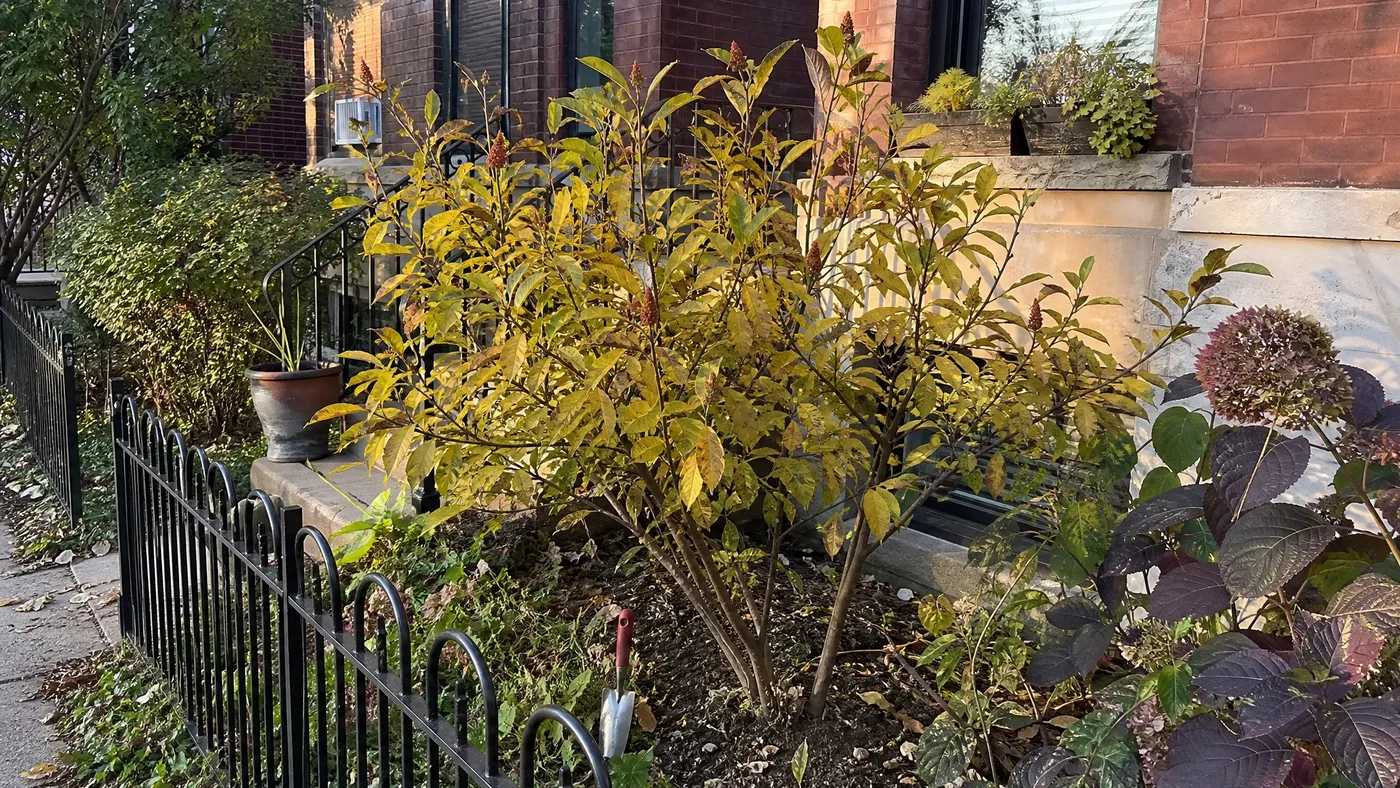
Preventing Root Rot in Betty Magnolia's Shallow Roots
Picture the roots under a Betty Magnolia, and ask yourself how deep they go. Most people sketch a long taproot reaching straight down. The real picture is a wide, shallow mat close to the surface, which means whatever happens to the top layer of soil happens to nearly every root the tree owns.
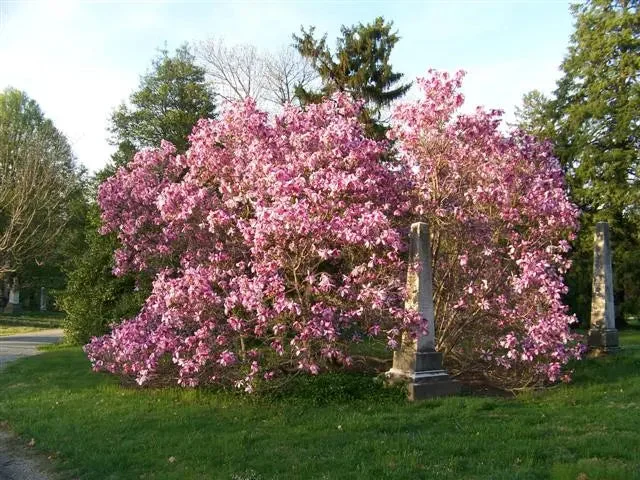
That matters most in the weeks around bloom, when spring rain fills the ground just as the buds swell and the large flowers open. Phytophthora root rot has no known cure, and young plants in poorly drained soil can die within a single season. Read on for how the roots work, how the disease moves, how to read your drainage, and the planting, watering and scouting habits that keep the roots breathing.
How Betty Magnolia Roots Spread Wide and Shallow
Start underground, because every instruction later in this guide follows from where the roots sit and how far they travel.
A Wide Mat, Not a Taproot
A taproot is a single thick root that drives straight down, the way a carrot or an oak seedling grows. Betty Magnolia does not rely on one. Its roots spread sideways and stay near the surface, forming a broad, shallow plate under a fairly compact tree.
Above ground, Betty grows 10 to 15 feet high and 8 to 12 feet wide, small beside the 15 to 33 feet of a saucer magnolia. Below ground the system is wide for the size of the tree. Our size and growth rate guide covers the root spread in detail, and it is worth reading before you choose a spot.
What a Shallow Root System Means for You
Three practical results follow from roots that live in the top layer of soil.
Surface changes reach every root. Compacted soil, a new patio, a pile of fill dirt or a thick blanket of mulch all land on the zone where the roots live. A deep-rooted shade tree can reach below a poor top layer. Betty cannot.
Digging costs roots. The roots run well out from the trunk, so keep trenches, edging and new beds away from the whole root zone, not just the trunk base.
Water reaches the roots first. Rain and irrigation soak the top layer before anything below it, so Betty's roots meet every wet spell before any other part of the soil does. That is the link to the disease we cover next.
What Phytophthora Is and How It Moves
Before you can prevent root rot, you need to know what causes it and how it travels from place to place.
The Pathogen in Plain Terms
A pathogen is an organism that causes disease. Phytophthora is a group of soil-living pathogens that attack roots, and the disease is called phytophthora root rot, or PRR. It makes spores, tiny reproductive units that move through soil water and germinate, meaning they start to grow, when conditions suit them.
How Wet Soil Carries It Along
Wet, tight soil is where the disease gets going, and Connecticut's plant disease fact sheet says so directly.
Compaction, poor drainage and excess water favor spore movement and germination, and they also weaken the roots the spores reach. Water running down a slope, pooling in a low spot or sitting on a compacted layer is the delivery system. Dry, well-aerated soil is a poor one.
Young plants are the most exposed. The same fact sheet says they can be killed in a single season when they grow in poorly drained soil, and that no cure is known.
Tolerant Does Not Mean Immune
The fact sheet lists magnolia among the plants reported tolerant or less susceptible to PRR. We take that at face value: Betty is not a notorious victim of this disease. But tolerant describes the plant, not the site.
A tolerant tree in saturated, compacted soil still has roots short of air, and shallow roots feel it first. The risk lives in your drainage. Fungicide treatments are described as costly and generally impractical in home landscapes, so prevention is the whole strategy.
Why Standing Water Hurts Betty Magnolia Roots
Water itself does not hurt roots. What standing water pushes out is air, and roots need both.
Soil Is a Sponge With Two Jobs
Think of healthy soil as a sponge. The tiny pores hold water for the roots to drink, and the larger pores hold air for the roots to breathe. Roots take in oxygen just as leaves do, because the root cells burn it to grow and move water upward.
When rain or irrigation fills every pore and nothing drains, the air is squeezed out. Roots in a waterlogged sponge are drinking but suffocating. Weakened roots are then easier prey for the spores described above.
Why a Shallow Root System Suffers First
A deep-rooted tree may have part of its roots below the soggy layer, where there is still some air. Betty's roots are nearly all in the top layer, and that layer is where water collects first and drains last on a heavy or compacted site.
Timing adds to the problem. Betty blooms in mid-April in Minnesota, when spring rain and thawed ground keep soil wet just as the tree wakes up and demands the most from its roots.
In our rows, the plants that struggle are almost always the ones in the low corner where water lingers after a storm.
Reading Your Yard's Drainage Before Planting
You can learn more about a planting spot in one rainy afternoon than from any bag of soil mix, so check the drainage before you dig the real hole.
A Simple Drainage Check
Do these steps on a day well before planting, never on planting day with the tree waiting.
- Walk the yard during and after a heavy rain and mark every spot where water pools or runs. Skip those spots.
- Note where roof downspouts, driveways and slopes send their water. Do not plant in the path.
- Dig a test hole at the exact spot you have in mind, about as deep as the root ball you plan to plant.
- Fill the test hole with water once, let it drain, then fill it again and watch. If water is still standing long after you expect, drainage is slow.
- Push a long screwdriver or rod into the soil around the spot. A hard layer that stops it is compaction, the kind of barrier that holds water above it.
Your local extension service can tell you what drainage rate counts as acceptable for ornamental trees in your soil.
What to Do With a Poor Result
If the spot drains slowly, you have three choices. Move the tree to a better spot, which is the easiest fix. Or follow the Connecticut fact sheet: break through the compacted layer, raise the bed and add organic matter.
Our guide to soil, drainage and amendments explains how to improve a site without overcorrecting. Redirect any downspout that empties near the planting area before you plant.
Setting Betty Magnolia High at Planting Time
Planting is the one moment when you can build drainage into the spot, so use it to lift the roots out of the wettest layer.
Set the Crown Above the Surrounding Soil
The crown is the point where the trunk meets the roots. Dig the hole no deeper than the root ball and wide enough to loosen the sides. Set the crown slightly above the surrounding grade, never below it. Soil settles after planting, and a crown that starts level ends up buried and wet.
Backfill With the Soil You Dug Out
Refill with the native soil you removed, firming it gently with your hands. Do not fill the hole with water to settle the soil, because the University of Washington's horticulture library warns that you should not fill the planting hole with water, as this may contribute to root rot. Water the tree in lightly from the surface instead.
Build a Low Mound Around the Root Ball
Draw soil up around the edge of the root ball into a broad, gentle mound that slopes away on all sides. The mound sheds rain from the crown and gives the upper roots a drier, airier layer to grow into. On a heavy site, make it wider and raise the whole planting bed, following the raised-bed advice from the Connecticut fact sheet.
Our planting guide walks through site choice, timing and the full sequence of steps.
Watering Betty Magnolia Without Drowning Roots
After planting, your watering habits decide whether the careful drainage work holds up.
Water the Soil, Not the Calendar
Skip fixed schedules. Push a finger a few inches into the soil near the root ball, and water only when it feels barely damp. Then water slowly and thoroughly so the moisture soaks in rather than running off.
Aim the water at the root ball while the tree is young, then widen the area as the roots spread. Never leave a hose running at the trunk. Our watering guide covers the schedule from new planting to maturity.
One of the most common questions we get is whether a wilting Betty needs more water. Check the soil first, because wilting in wet soil points to roots that cannot breathe.
Keep Mulch Shallow and Off the Trunk
Mulch holds moisture, so it helps in dry spells and hurts in wet ones if you overdo it. Spread it no deeper than 3 to 4 inches and keep it back from the trunk. The University of Washington library notes that mulch piled against the trunk can cause rot.
Pull the mulch back in a ring around the base so the bark stays dry and the crown stays visible.
Send Roof and Lawn Water Elsewhere
The Connecticut fact sheet advises avoiding prolonged saturation or standing water around the base of plants. In practice, aim downspouts and lawn sprinklers away from the tree. A sprinkler zone that soaks the lawn daily can keep a Betty's shallow roots wet all summer.
Spotting Early Signs of Decline
Root rot hides underground, so learn to read what the leaves and branches tell you before the damage is far along.
Betty's large purplish pink flowers with 12 to 18 tepals are the first thing to suffer when roots are struggling, so a thin April show is worth noticing. The table lists the signs we watch for and what to do about each.
| What you see | What it may mean | What to do |
|---|---|---|
| Leaves droop or wilt while the soil is wet | Roots are not moving water | Stop watering and probe the soil for compaction or pooling |
| Leaves turn pale or yellow early | Root trouble, or soil pH, since Betty wants acid or neutral soil | Rule out pH first, then check drainage |
| Small leaves and little new growth | Roots too stressed to support the top | Check mulch depth and the crown height |
| Branch tips die back | Advanced stress below ground | Fix the site now and call your extension service |
| Sparse bloom after a healthy year | Roots weakened by a wet season | Review drainage and watering |
Yellow leaves have many causes, and our pests, diseases and problems guide covers the common ones such as chlorosis and leaf spot. Rule those out before you assume rot.
Because there is no cure, the response to any of these signs is to correct the site, not to spray. If symptoms persist, ask your local extension service about a diagnosis.
Healthy Roots Start Above the Soil Line
Every step in this guide comes back to one habit: keep the top layer of soil open, draining and airy. Check drainage before you plant, set the crown high on a gentle mound, water by feel, keep mulch thin and off the trunk, and watch the leaves. Betty's tolerance for phytophthora is real, but only a good site lets it show.
Betty Magnolia
Nursery-grown Betty Magnolia in sizes from 1 Gallon Shrub, shipped to your door.
From $80.55
Shop Now →Remember the sponge. Roots need air as much as water, and a crown set high is how you give them both, as in the planting section above. Customers come back to us for Betty Magnolia because our own farms grow top-quality plants that go in the ground ready to root, and we are glad to talk through a drainage question before you plant.